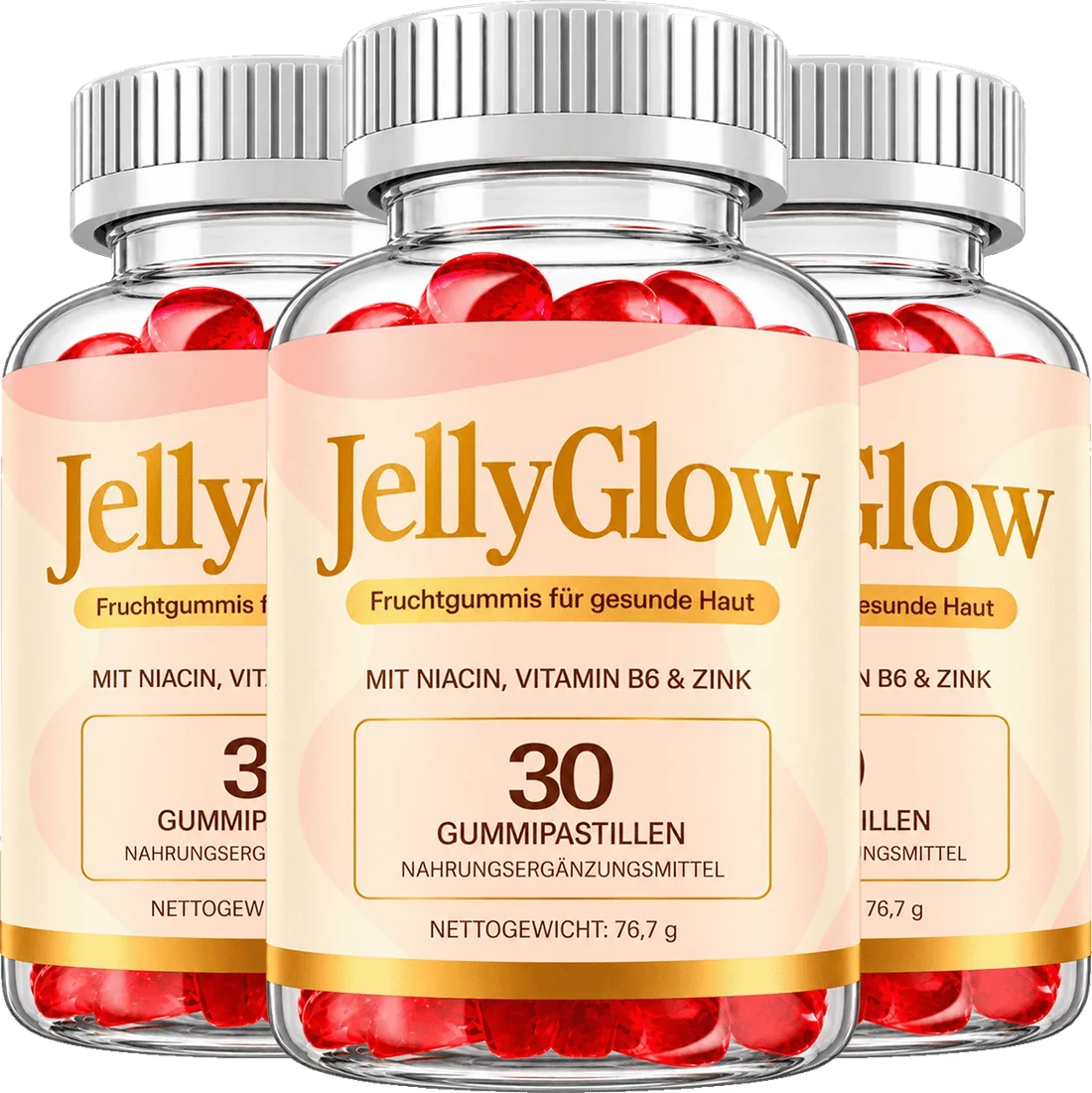
Habit stacking is a simple idea with a catchy name: attach a new routine to one you already keep. The existing habit acts like a hook, and the new one hangs from it. For a daily gummy such as JellyGlow, stacking is a natural fit, because you probably already own a dozen reliable moments in your day. This article offers twelve pairing ideas, grouped by time of day, plus a few tips for making them stick.
How stacking works
The formula is one sentence: after I do the old habit, I will do the new one. After I pour my tea, I will take my gummy. After I lock the back door, I will take my gummy.
The old habit is already automatic, so it supplies the reminder. You do not need willpower or an alarm, because the first action carries you into the second.
Choose an anchor that happens every single day. Weekday-only anchors, like the commute, leave gaps on weekends.
Four morning pairings
Morning anchors are usually the most dependable, since the day has not yet filled up. Look for something in your first half hour.
Pick one of these, and resist the urge to use all four. A single clear pairing is better than a crowded list.
- After pouring the first cup of tea or coffee
- After opening the blinds in the kitchen
- After feeding the cat or filling the bird feeder
- After lacing up walking shoes
Four midday and afternoon pairings
If mornings are hectic, the middle of the day may suit you better. The anchors here tend to be tied to a place, so the bottle can live there.
A desk drawer, a lunch bag or a potting bench shelf all work as homes. Our blog gathers more desk-friendly routine ideas.
- After sitting down to lunch
- After the first stretch break at the desk
- After watering the tomato plants
- After the afternoon crossword
Four evening pairings
Evening anchors suit adults who like a tidy close to the day. They are also easy to remember because they happen in the same room each time.
Whichever you choose, keep the directions on the bottle label as your guide, and keep the bottle where it is easy to see.
- After clearing the dinner table
- After the dishes are done
- After setting out tomorrow's clothes
- After the evening phone call with family
Tips that make stacks stick
Say your pairing out loud for the first week. It sounds silly, but hearing the sentence helps lock it in. Keep the bottle right at the anchor spot, so the two actions share a location.
Start with just one stack. When it feels automatic, perhaps after three or four weeks, you can consider adding a second habit, such as a glass of water or a short stroll.
For a deeper look at building the first stack, see how to build a daily JellyGlow routine, and for a wider view of daily choices, the Harvard Nutrition Source is a readable place to browse.
Choosing the right anchor for you
A good anchor has three qualities. It happens every day, it happens at roughly the same time, and it happens in a place where the bottle can live. Test your candidate by asking whether you could do it half asleep. If so, it is probably reliable.
Avoid anchors that depend on other people, such as a call that may or may not come. Avoid anchors that move around, such as errands. Stable beats clever every time.
Write your chosen anchor on a card and tape it inside a cupboard door. Reading it each day for the first two weeks gives the new stack a firm footing. Our plain guide to JellyGlow is handy if you want a quick refresher on the product itself.
Over time the card becomes unnecessary, and the habit simply runs on its own.
When a stack slips
If you miss the anchor, simply return to it tomorrow. The routine does not need fixing, only a fresh start. Our general reading on active habits, such as the CDC physical activity basics, suggests the same gentle approach.
Ready to start a stack of your own? You can order JellyGlow today and choose your anchor before the bottle arrives. That way the first morning already has a plan.
A small hook, a visible bottle and a steady moment are all you need.
Revisit your stack every month or so. If a pairing has begun to feel awkward, swap the anchor for a better one. Adjusting is part of the process, not a sign that something went wrong, and a tidy, flexible stack is the one that lasts through the seasons.